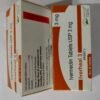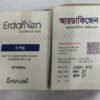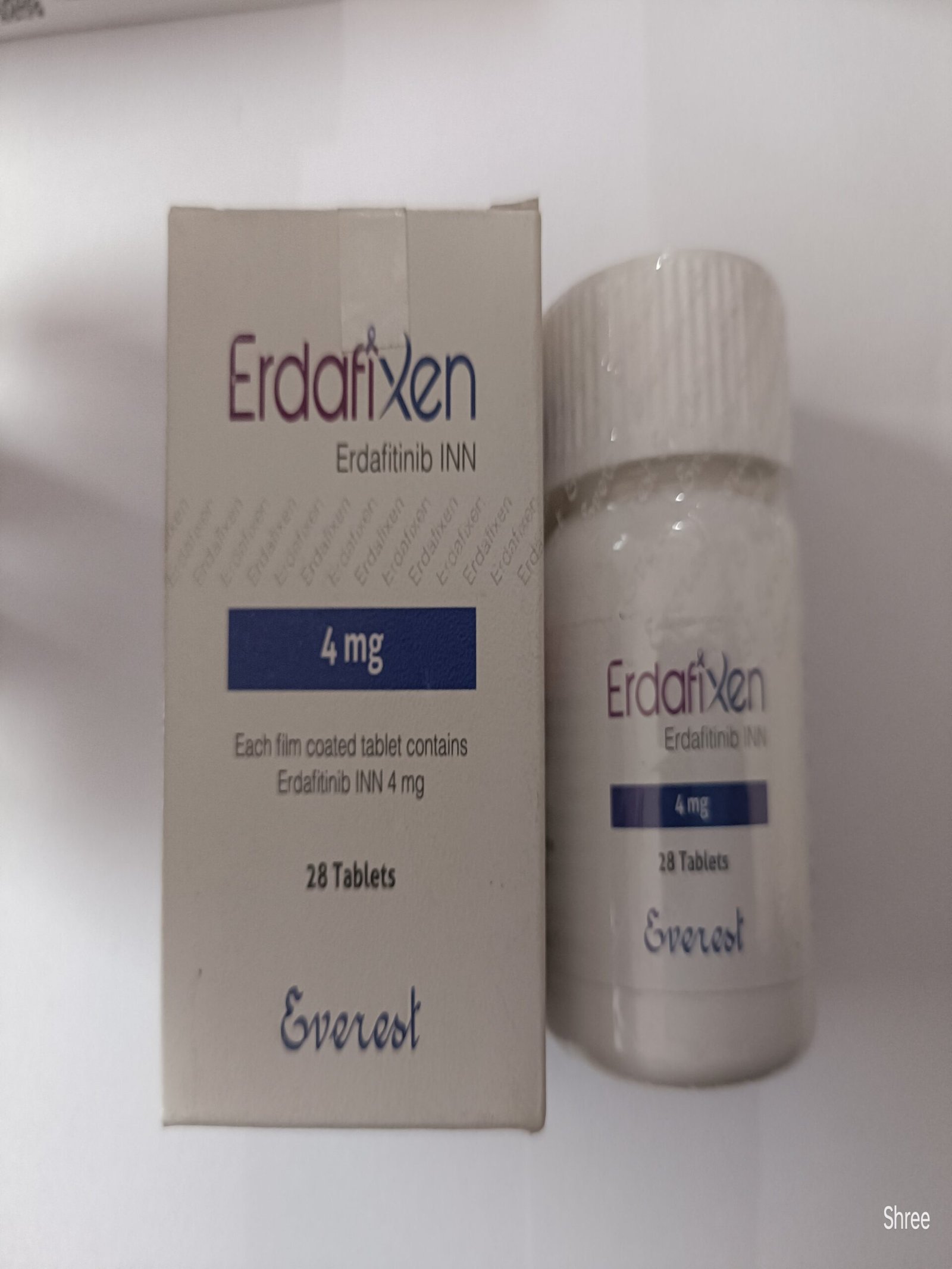
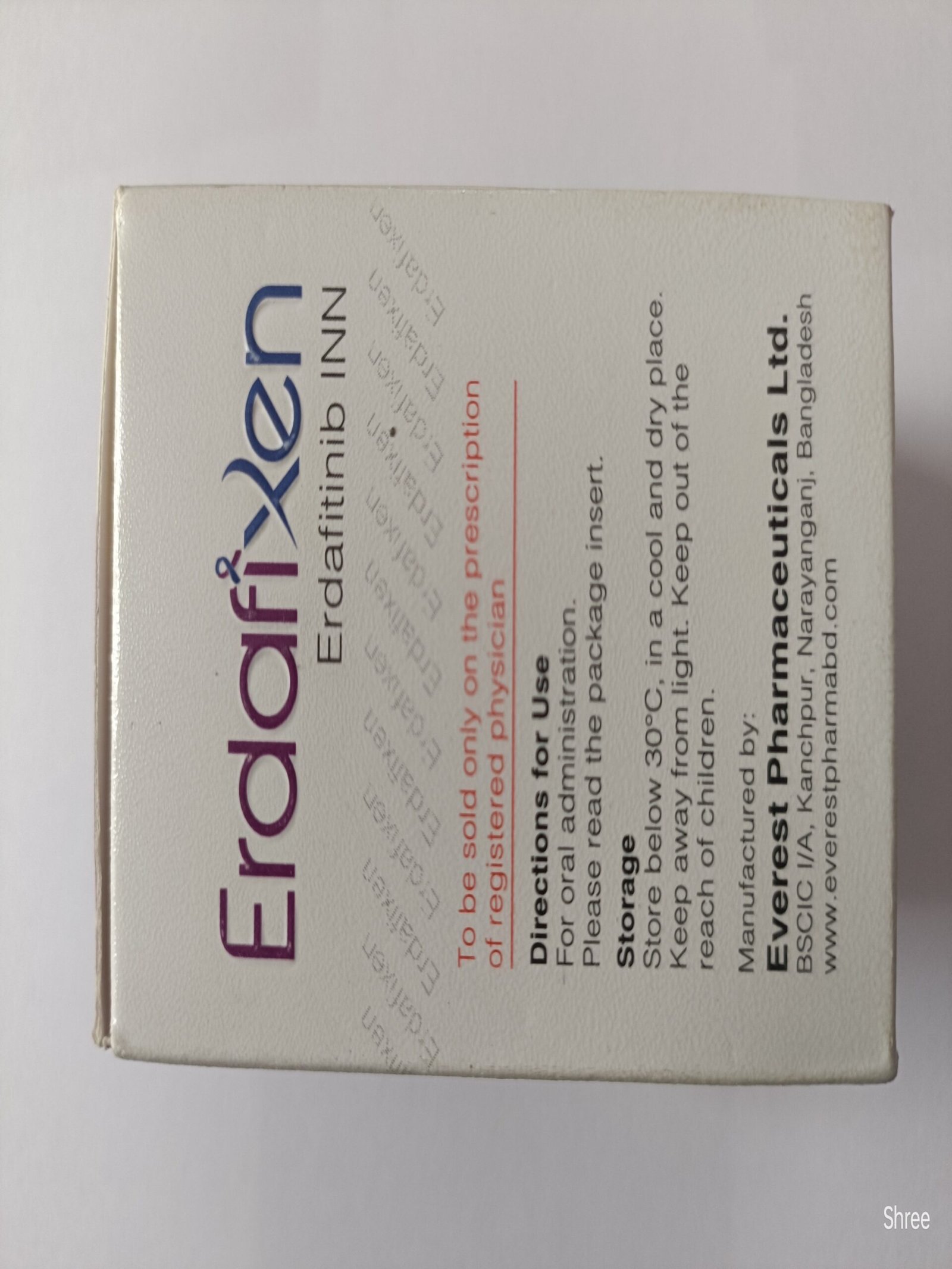
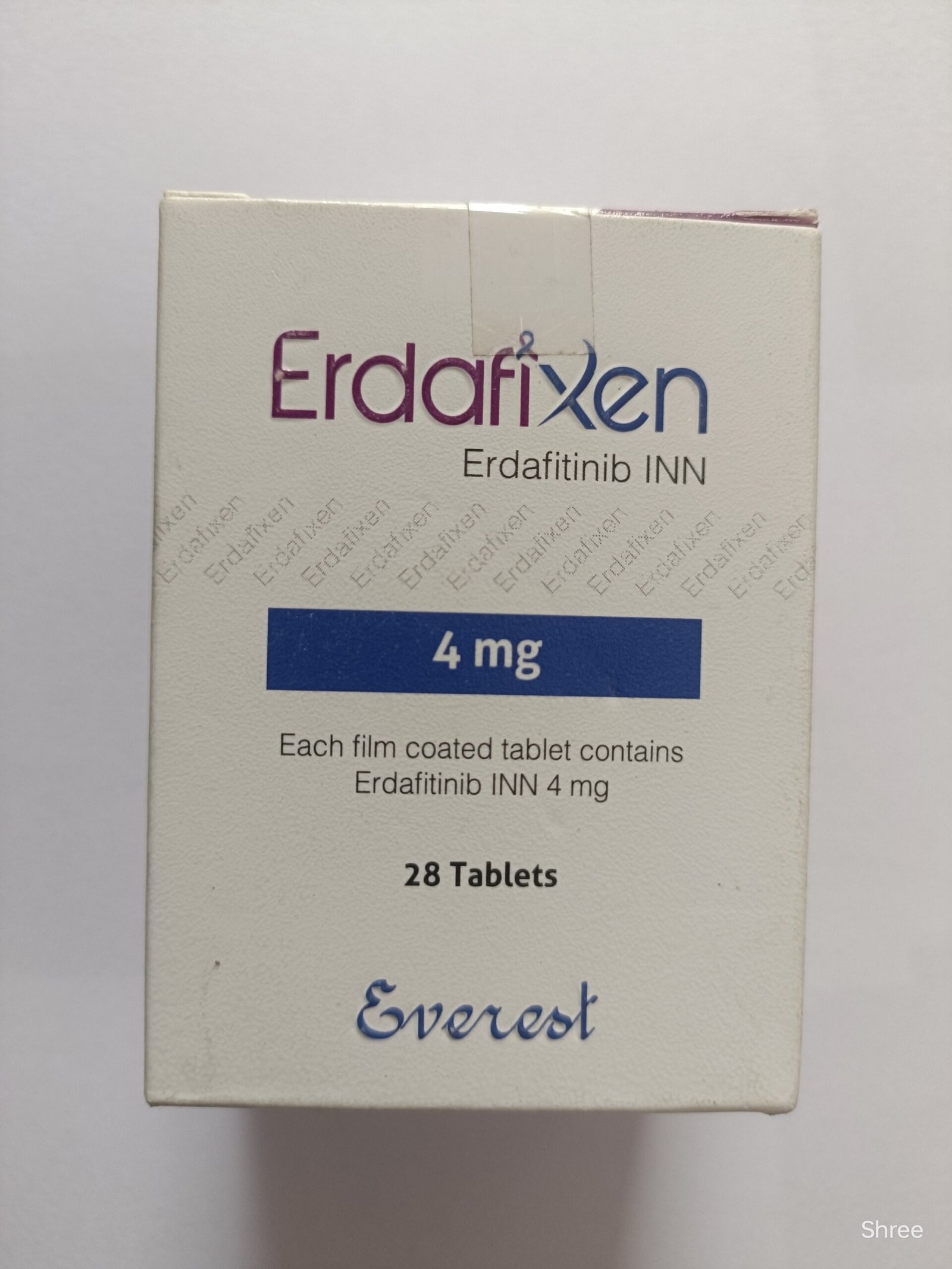
Erdafitinib 4 mg Tablets: Uses, Dosage, Benefits, and Important Safety Information
Erdafitinib 4 mg tablets are an oral prescription medicine used for certain adults with specific types of urothelial cancer. As a targeted therapy, erdafitinib works differently from conventional chemotherapy and is prescribed when particular genetic or molecular characteristics are present.
This article provides an overview of erdafitinib 4 mg tablets, including their uses, how the medicine works, dosage considerations, potential side effects, and important precautions.
What Is Erdafitinib?
Erdafitinib is a targeted anticancer medicine that belongs to a class of drugs called fibroblast growth factor receptor (FGFR) inhibitors. It works by blocking certain FGFR signaling pathways that can contribute to the growth and survival of cancer cells.
Erdafitinib is primarily used for eligible patients with urothelial carcinoma whose tumors have specific susceptible FGFR genetic alterations. A healthcare professional generally determines eligibility through appropriate testing.
What Are Erdafitinib 4 mg Tablets Used For?
Erdafitinib may be prescribed for certain adults with advanced or metastatic urothelial carcinoma when the cancer has specific FGFR alterations and other treatment requirements have been met.
Because treatment recommendations and regulatory approvals can change, patients should use erdafitinib only for an indication confirmed by their oncology team.
How Does Erdafitinib Work?
Some cancer cells contain alterations involving FGFR proteins. These proteins can send signals that promote cell growth and proliferation.
Erdafitinib inhibits FGFR activity, which can interfere with these growth signals. By targeting this pathway, the medicine may help slow or inhibit the growth of susceptible cancer cells.
Erdafitinib 4 mg Dosage
The appropriate erdafitinib dose is determined by the prescribing oncologist. The commonly recommended starting regimen for eligible patients is 8 mg once daily, with dose adjustments made according to treatment response, tolerability, and laboratory findings.
The 4 mg tablet strength may be used as part of an individualized dosing regimen.
Patients should:
- Take erdafitinib exactly as prescribed.
- Take the tablet once daily according to their treatment plan.
- Swallow the tablet as directed.
- Avoid changing the dose without consulting their healthcare professional.
- Follow their oncology team’s instructions if a dose is missed.
Do not use information from this article as a substitute for individualized medical advice.
Possible Side Effects
Erdafitinib can cause side effects. Some of the more common reactions may include:
- Nail disorders
- Changes in phosphate levels
- Diarrhea
- Dry mouth
- Dry skin
- Changes in appetite
- Taste changes
- Fatigue
- Mouth sores
- Changes in liver function tests
Some adverse reactions can be serious and require prompt medical attention.
Eye Problems
Erdafitinib can cause eye-related adverse reactions, including disorders affecting the retina. Patients may be advised to undergo regular ophthalmic examinations during treatment.
Report symptoms such as blurred vision, visual changes, or other unusual eye symptoms promptly.
Increased Phosphate Levels
Erdafitinib can increase blood phosphate levels. Your healthcare provider may regularly monitor phosphate levels and adjust treatment when necessary.
Other Serious Reactions
Patients should immediately contact their healthcare provider if they experience severe or unusual symptoms while taking erdafitinib.
Drug Interactions
Erdafitinib can interact with certain medicines, supplements, and other substances. Before starting treatment, tell your healthcare professional about all prescription medicines, over-the-counter products, vitamins, and herbal supplements you use.
Your healthcare team can determine whether other medicines need to be avoided, adjusted, or monitored during treatment.
Who Should Take Erdafitinib?
Erdafitinib is a prescription cancer medicine and should only be used under the supervision of an appropriately qualified healthcare professional.
Treatment decisions may depend on factors such as:
- Cancer type and stage
- FGFR testing results
- Previous cancer treatments
- Kidney and liver function
- Other medical conditions
- Current medications
- Potential drug interactions
Monitoring During Treatment
Regular monitoring is an important part of erdafitinib treatment. Depending on the patient’s circumstances, healthcare professionals may monitor:
- Blood phosphate levels
- Liver and kidney function
- Eye health
- Skin and nail changes
- Other treatment-related adverse reactions
Your oncologist may modify the dose, temporarily interrupt treatment, or discontinue treatment depending on your response and side effects.
Frequently Asked Questions
What are erdafitinib 4 mg tablets?
Erdafitinib 4 mg tablets contain erdafitinib, a prescription FGFR inhibitor used for certain patients with eligible urothelial cancer.
Is erdafitinib chemotherapy?
Erdafitinib is generally classified as a targeted therapy, rather than traditional cytotoxic chemotherapy. It specifically inhibits FGFR signaling.
How often is erdafitinib taken?
Erdafitinib is generally taken once daily, but the exact dose and schedule should be determined by the treating oncologist.
Can erdafitinib cause eye problems?
Yes. Eye-related adverse reactions can occur, which is why appropriate eye monitoring may be recommended during treatment.
Can I change my erdafitinib dose myself?
No. Dose changes should only be made by your healthcare professional based on your treatment response, laboratory results, and tolerability.
Conclusion
Erdafitinib 4 mg tablets are an important targeted treatment option for certain patients with advanced or metastatic urothelial carcinoma involving susceptible FGFR alterations. Because the medicine can cause significant adverse reactions and requires monitoring, treatment should be guided by an experienced healthcare professional.
Always consult your oncologist or pharmacist for the most current prescribing information and individualized advice before starting, stopping, or changing erdafitinib treatment.
Website : Jyotilifecar