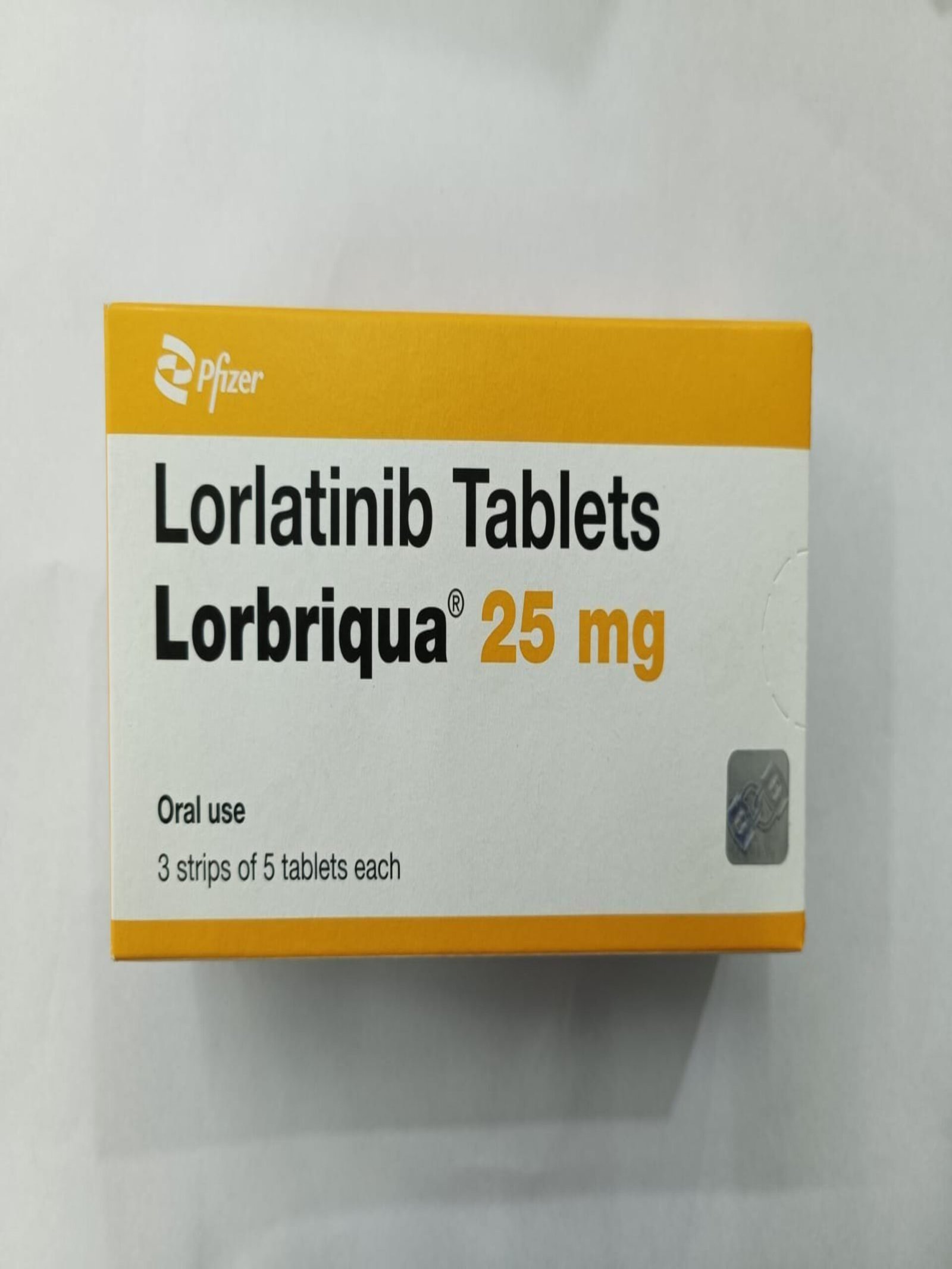
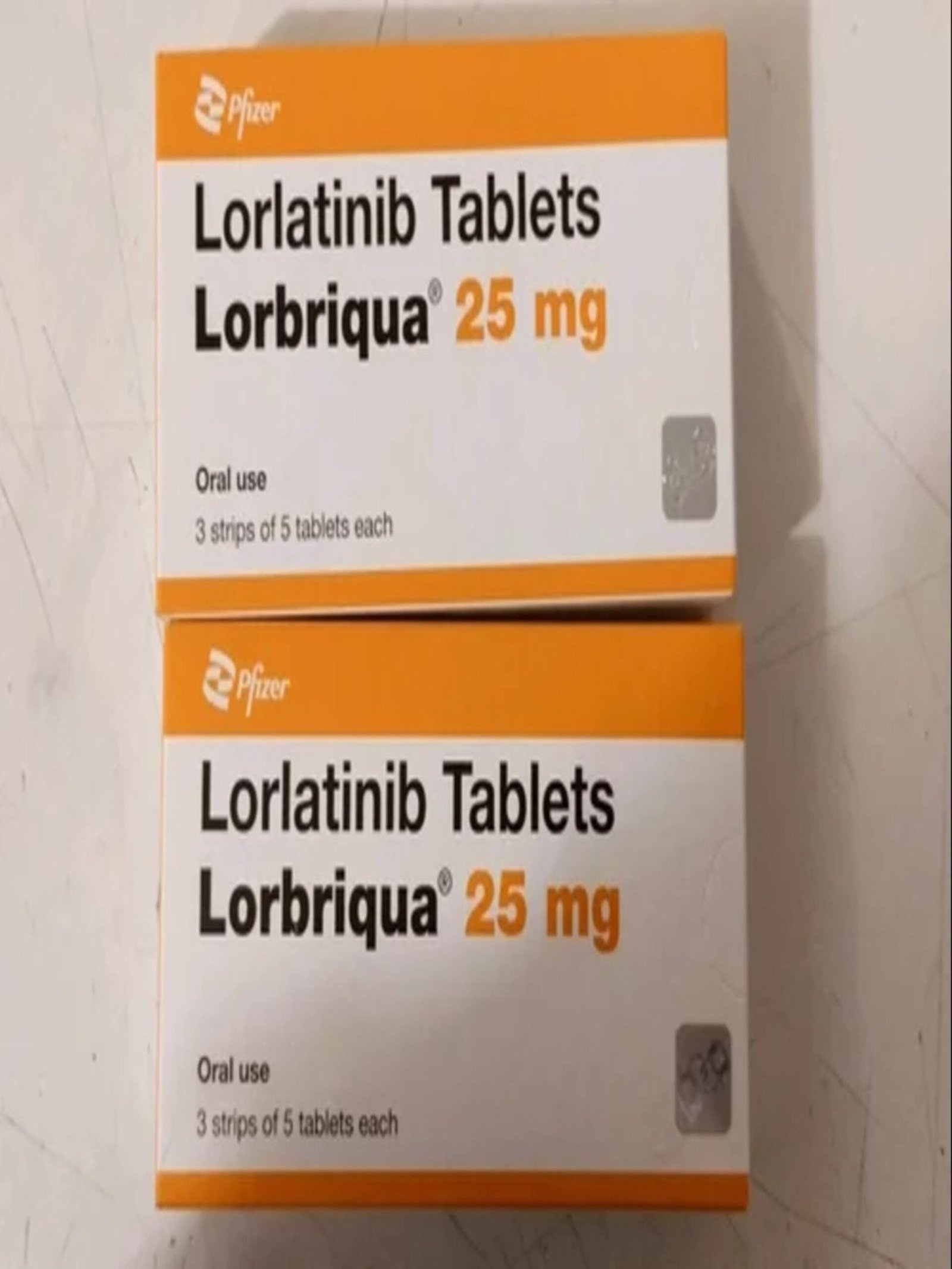
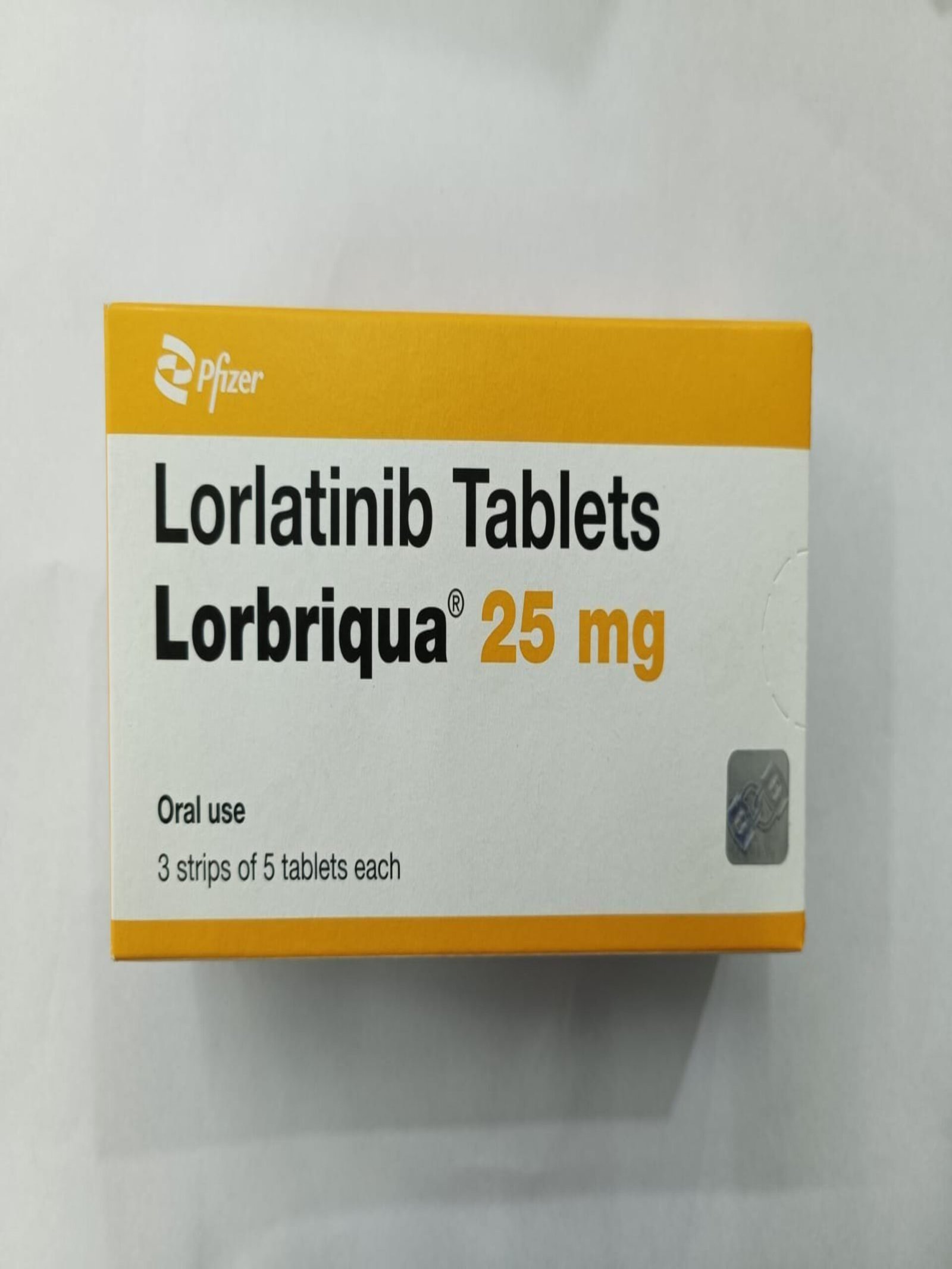
Lorlatinib tablets 25 mg are a prescription medicine containing lorlatinib, a targeted cancer therapy known as a kinase inhibitor. In the United States, lorlatinib is marketed as LORBRENA and is indicated for adults with metastatic non-small cell lung cancer (NSCLC) whose tumors are ALK-positive, as determined by an FDA-approved test.
The 25 mg tablet is one of the available strengths of lorlatinib. The standard recommended U.S. dose is 100 mg once daily, while lower doses may be used when dose adjustments are medically necessary.
What Are Lorlatinib 25 mg Tablets?
Lorlatinib 25 mg tablets contain 25 mg of lorlatinib as the active ingredient. The tablets are film-coated and intended for oral administration. The current U.S. labeling lists lorlatinib tablets in 25 mg and 100 mg strengths.
Lorlatinib is designed to target abnormal signaling associated with certain cancer-driving alterations involving anaplastic lymphoma kinase (ALK). It belongs to a class of medicines called kinase inhibitors.
What Is Lorlatinib Used For?
Lorlatinib is used for the treatment of adults with metastatic ALK-positive non-small cell lung cancer (NSCLC) when the tumor has been identified as ALK-positive using an appropriate approved test.
Because treatment selection depends on the molecular characteristics of the tumor, lorlatinib should only be used when prescribed by an oncology specialist.
How Does Lorlatinib Work?
Lorlatinib is a targeted therapy that inhibits kinase activity associated with ALK and other relevant molecular targets.
By interfering with abnormal signaling pathways, lorlatinib can help inhibit signaling that contributes to the growth and survival of ALK-driven cancer cells.
Lorlatinib 25 mg Dosage
The appropriate lorlatinib dose depends on the patient’s medical condition, treatment response, kidney and liver function, drug interactions, and tolerance.
For the current U.S. labeling:
- The recommended standard dose is 100 mg once daily.
- Tablets may be taken with or without food.
- The 25 mg tablet is an available strength.
- Dose reductions may be required for certain adverse reactions or clinical circumstances.
- Patients with severe hepatic impairment or renal impairment may require a modified dose.
Therefore, lorlatinib 25 mg should not automatically be interpreted as the standard daily dose. It may be used as part of a physician-directed dose adjustment.
How Should Lorlatinib Tablets Be Taken?
Take lorlatinib exactly as prescribed by your healthcare professional.
The tablets should be swallowed whole. They should not be chewed, crushed, or split. Patients are generally advised to take the medicine at approximately the same time each day.
If a dose is missed, follow the instructions in the prescribing information or provided by your healthcare professional. Do not take extra tablets to compensate for a missed dose.
Possible Side Effects of Lorlatinib
Lorlatinib can cause side effects, and some may require medical attention.
Reported or clinically important adverse effects include:
- Central nervous system effects
- Changes in mood or cognition
- Speech or mental-status changes
- Sleep disturbances
- Seizures
- Changes in blood lipid levels
- High blood pressure
- Increased blood glucose
- Changes in heart rhythm
- Liver-related toxicity
- Interstitial lung disease or pneumonitis
The current U.S. prescribing information specifically warns about central nervous system effects, hyperlipidemia, atrioventricular block, interstitial lung disease/pneumonitis, hypertension, and hyperglycemia.
Contact your healthcare professional promptly if you develop new or worsening neurological symptoms, breathing difficulties, chest symptoms, significant swelling, severe headache, or other concerning symptoms.
Lorlatinib Drug Interactions
Lorlatinib has clinically important drug-interaction considerations.
In particular, strong CYP3A inducers are contraindicated because concomitant use can result in serious hepatotoxicity.
Lorlatinib can also affect the concentrations or effects of certain other medicines. Before starting treatment, tell your doctor or pharmacist about all prescription medicines, over-the-counter products, vitamins, and herbal supplements you use.
Do not start or stop another medicine without discussing it with your healthcare professional.
Lorlatinib and Pregnancy
Lorlatinib may cause fetal harm. Patients who are pregnant or who may become pregnant should discuss the potential risks with their healthcare professional before treatment.
The official prescribing information should be consulted for current recommendations regarding pregnancy prevention, reproductive potential, and breastfeeding.
Monitoring During Lorlatinib Treatment
Your healthcare team may monitor you regularly during treatment. Depending on your circumstances, monitoring can include:
- Blood pressure
- Blood glucose
- Blood lipid levels
- Liver function
- Kidney function
- Heart rhythm
- Neurological or cognitive symptoms
- Respiratory symptoms
Monitoring helps healthcare professionals identify adverse effects and determine whether treatment adjustments are necessary.
Lorlatinib 25 mg: Important Considerations
Lorlatinib is a specialized prescription cancer medicine and should not be self-administered without medical supervision.
The 25 mg strength can be particularly relevant when a physician prescribes a reduced dose or otherwise needs the smaller tablet strength. The appropriate regimen should always be determined by the treating oncology team.
Patients should also use the product and prescribing information applicable to their country because approved indications, dosing recommendations, and regulatory requirements can differ between regions.
Frequently Asked Questions
What is lorlatinib 25 mg used for?
Lorlatinib is used for certain adults with metastatic ALK-positive non-small cell lung cancer. The 25 mg tablet is an available strength and may be used when a lower dose is medically appropriate.
Is 25 mg the usual dose of lorlatinib?
No. The current U.S. recommended dosage is 100 mg once daily. A 25 mg tablet may be used as part of a dose-adjustment strategy when clinically indicated.
Can lorlatinib tablets be split?
The U.S. prescribing information instructs patients to swallow lorlatinib tablets whole and not chew, crush, or split them.
Is lorlatinib a chemotherapy medicine?
Lorlatinib is generally classified as a targeted kinase inhibitor, rather than traditional cytotoxic chemotherapy.
Can lorlatinib interact with other medicines?
Yes. Lorlatinib has important drug-interaction considerations, including a contraindication with strong CYP3A inducers. Always provide your healthcare professional with a complete list of medicines and supplements you take.
Conclusion
Lorlatinib 25 mg tablets are an oral targeted therapy containing lorlatinib, used in appropriate patients with metastatic ALK-positive non-small cell lung cancer. The 25 mg strength provides flexibility for physician-directed dose adjustments, while the standard U.S. recommended dose is 100 mg once daily.
Because lorlatinib can cause significant adverse effects and interact with other medicines, treatment should be prescribed and monitored by an experienced healthcare professional. Always follow the prescribing information and your oncologist’s instructions.
Medical disclaimer: This article is provided for general educational and SEO content purposes and does not replace professional medical advice, diagnosis, or treatment. Indications, dosing, warnings, and regulatory status may vary by country.
Website : Jyotilifecar