
Denosumab 60 mg Injection: Uses, Benefits, Side Effects, and Important Safety Facts
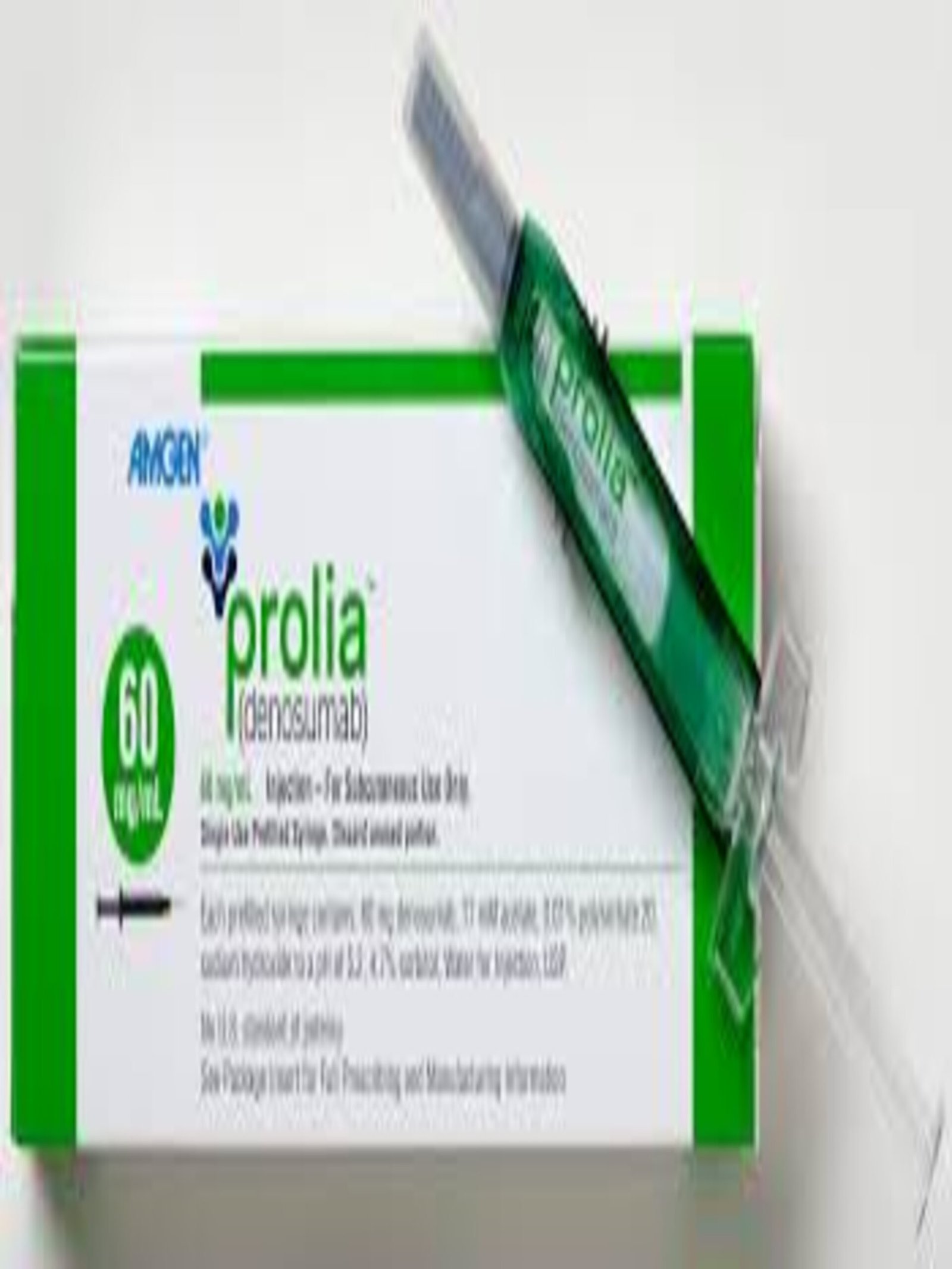
Denosumab 60 mg injection—widely known under the brand name Prolia—is an important medication used in the management of osteoporosis and certain conditions involving bone loss. It has become one of the most commonly prescribed biologic treatments for improving bone density and reducing fracture risk in high-risk patients.
Whether you are a patient, caregiver, or healthcare professional, this guide offers a clear, detailed overview of the uses, benefits, administration, precautions, and side effects of Denosumab 60 mg.
What is Denosumab 60 mg Injection ?
Denosumab is a monoclonal antibody designed to target and inhibit RANKL (Receptor Activator of Nuclear factor Kappa-Β Ligand), a protein involved in bone breakdown. By blocking RANKL, Denosumab slows down bone resorption, helping bones stay stronger and healthier.
The 60 mg dose is typically administered as a subcutaneous injection every six months by a trained healthcare professional.
Who Is Denosumab 60 mg For?
Denosumab 60 mg is commonly prescribed for:
- Postmenopausal women with osteoporosis at high risk of fractures
- Men with osteoporosis
- Individuals receiving hormone-deprivation therapy (e.g., for breast or prostate cancer)
- Patients who have failed or cannot tolerate other osteoporosis treatments
How Denosumab Works
Bones are constantly breaking down and rebuilding. Osteoporosis occurs when bone breakdown happens faster than bone formation.
Denosumab works by:
- Slowing bone loss
- Increasing bone mineral density (BMD)
- Reducing risk of fractures, including vertebral, hip, and non-vertebral fractures
This makes it a valuable treatment option for patients who need long-term bone protection.
How Is Denosumab 60 mg Administered?
- Given as a 60 mg injection under the skin
- Administered once every 6 months
- Usually injected into the upper arm, abdomen, or thigh
- Must be stored and handled under appropriate conditions
Patients should not attempt self-administration unless instructed by a qualified professional.
Benefits of Denosumab 60 mg
- Improves bone strength and density
- Reduces fracture risk
- Offers convenient twice-yearly dosing
- Safe for patients unable to tolerate oral bisphosphonates
- Effective for both men and women
Many patients appreciate the convenience of fewer injections compared to other bone medications.
Possible Side Effects
Like any medication, Denosumab may cause side effects. Common ones may include:
- Back pain
- Muscle or joint pain
- High cholesterol
- Pain in arms or legs
- Fatigue
- Skin irritation at the injection site
Less common but serious side effects:
- Severe low calcium levels (hypocalcemia)
- Osteonecrosis of the jaw (rare)
- Serious infections
- Atypical femur fractures
Patients should always discuss risks and benefits with their healthcare provider.
Precautions Before Starting Denosumab
Before receiving Denosumab 60 mg, inform your healthcare provider if you:
- Have low calcium or vitamin D levels
- Have kidney problems
- Plan to have dental work
- Are pregnant or breastfeeding
- Have a history of infections
Bone health supplements (calcium + vitamin D) are usually recommended during treatment.
Missed Dose: What to Do
If you miss your scheduled injection, contact your healthcare provider as soon as possible. Do not delay the next injection more than recommended, as bone loss may return quickly after the medication wears off.
Denosumab vs. Other Osteoporosis Treatments
Compared to bisphosphonates:
| Feature | Denosumab 60 mg | Oral Bisphosphonates |
|---|---|---|
| Dosing Frequency | Every 6 months | Weekly or monthly |
| GI Side Effects | Low | More common |
| Suitable for Kidney Issues | With caution | Often restricted |
| Bone Density Improvement | Strong | Moderate |
Your doctor will determine which therapy suits your specific health needs.
Frequently Asked Questions
1. Is Denosumab the same as Prolia?
Yes. Prolia is the brand name for Denosumab 60 mg injection.
2. How long does Denosumab take to work?
Bone density improvements may begin within 3–6 months, but fracture risk reduction develops over time.
3. Can I stop Denosumab suddenly?
Stopping suddenly may cause rapid bone loss. Always consult your healthcare provider before discontinuing.
4. Is Denosumab covered by insurance?
Coverage varies by country and insurance plan. Many regions offer partial or full coverage for osteoporosis therapy.
Final Thoughts
Denosumab 60 mg injection is a powerful, convenient, and effective treatment for patients at risk of osteoporosis-related fractures. With its twice-yearly dosing and proven benefits, it has become a trusted option worldwide.
Always consult your healthcare provider to ensure it’s the right choice for your bone health journey.
Website : Jyotilifecar