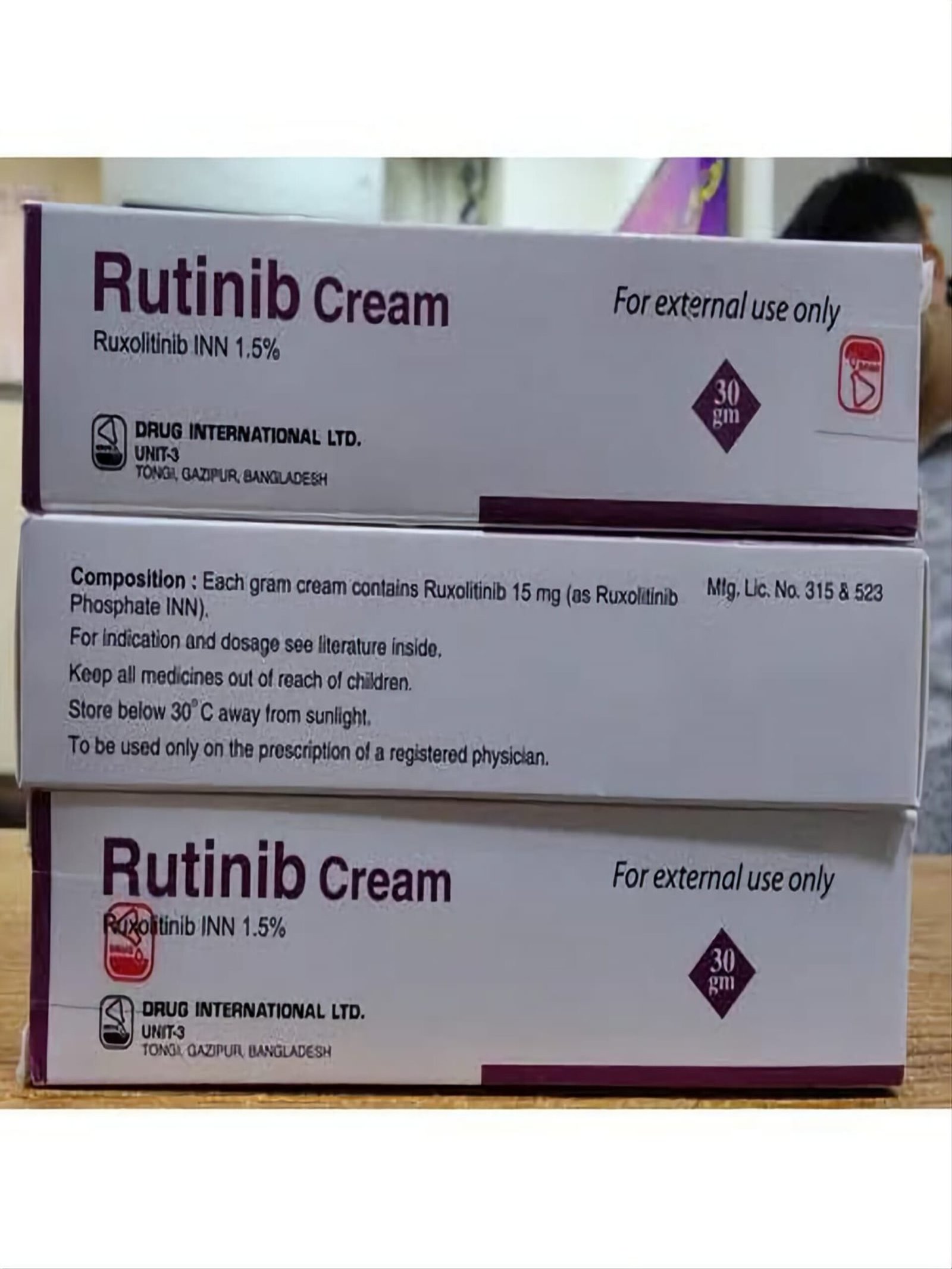
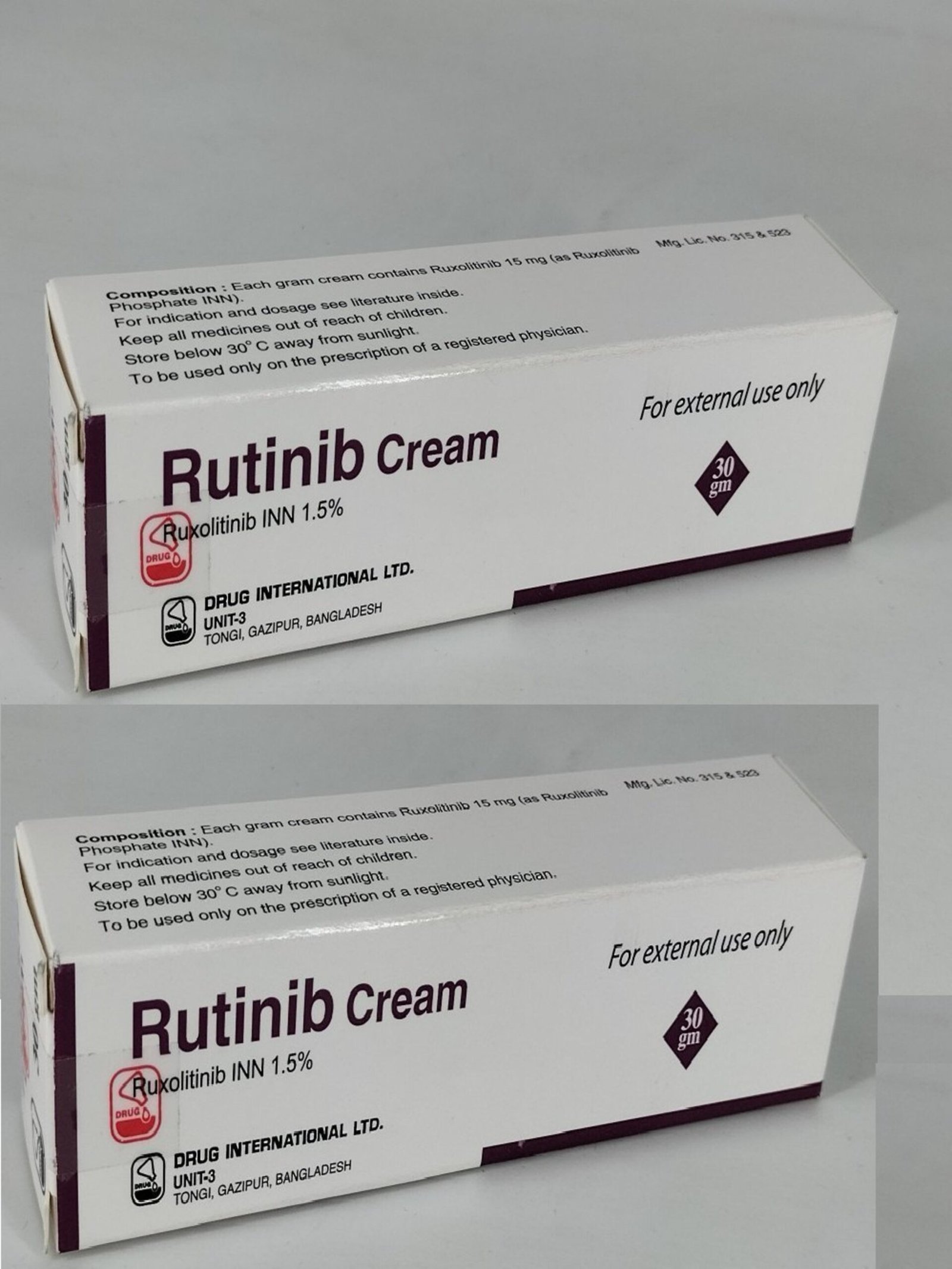
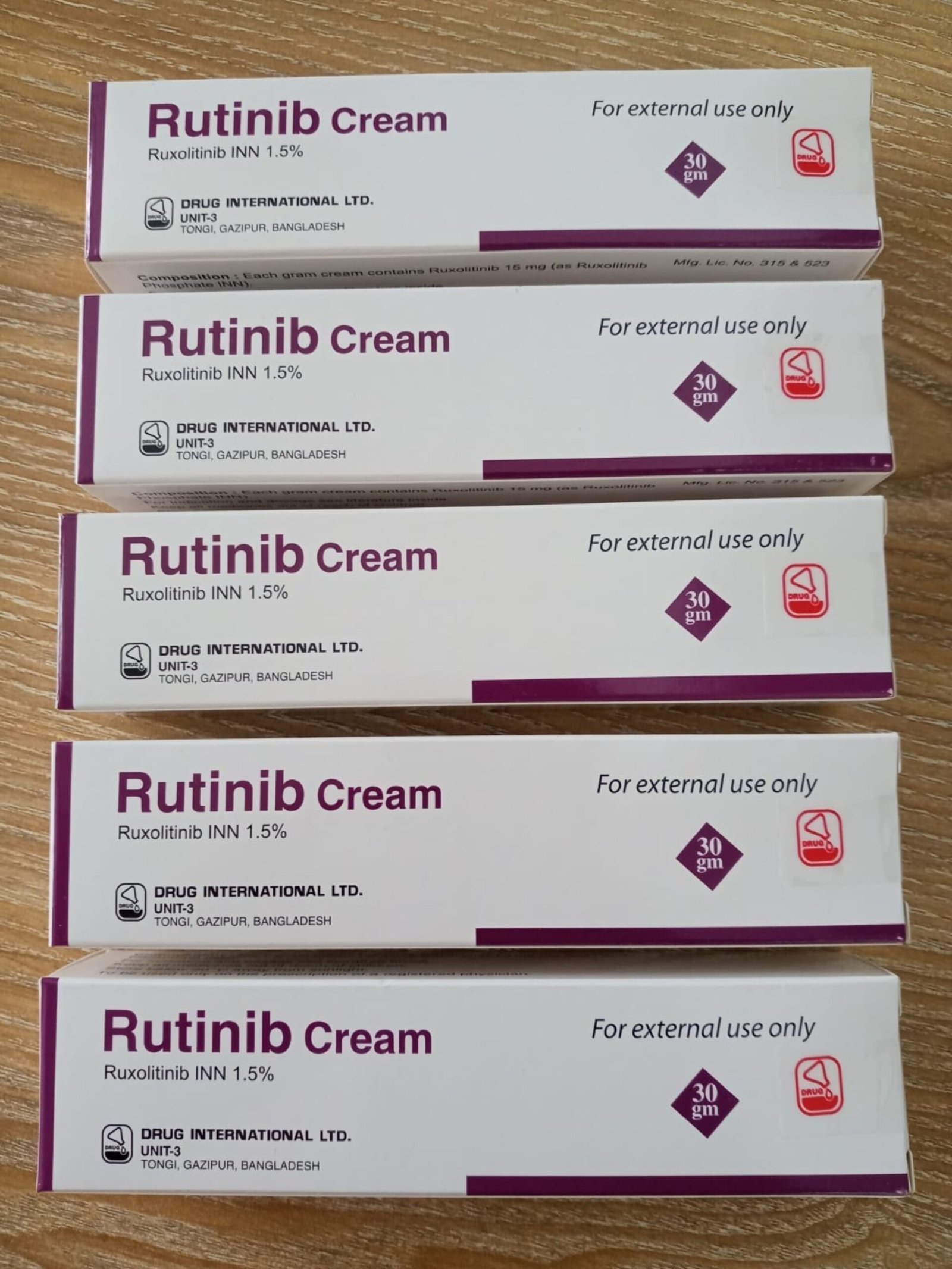
Ruxolitinib Cream: A Breakthrough in Treating Inflammatory Skin Conditions
Skin conditions like eczema and vitiligo can be more than just physical concerns—they often affect confidence, comfort, and overall quality of life. In recent years, dermatology has seen exciting advancements, and one standout innovation is ruxolitinib cream, a topical treatment that’s changing how certain inflammatory skin conditions are managed.
What Is Ruxolitinib Cream?
Ruxolitinib cream is a prescription topical medication designed to treat inflammatory skin disorders. It belongs to a class of drugs known as Janus kinase (JAK) inhibitors, which work by targeting specific pathways in the immune system that contribute to inflammation.
Unlike traditional treatments that broadly suppress the immune system, ruxolitinib works more precisely, helping reduce inflammation directly at the source.
How Does It Work?
Inflammatory skin conditions often involve overactive immune signaling. Ruxolitinib blocks enzymes called JAK1 and JAK2, which play a key role in transmitting inflammatory signals.
By inhibiting these pathways, the cream helps:
- Reduce redness and swelling
- Relieve itching
- Restore more normal skin appearance
Because it is applied directly to the skin, its effects are largely localized, minimizing systemic exposure.
Common Uses
Ruxolitinib cream is primarily used for:
1. Atopic Dermatitis (Eczema)
It is especially effective for mild to moderate eczema, helping patients manage persistent itching and inflammation.
2. Vitiligo
One of the most exciting uses is in treating vitiligo, a condition where skin loses pigment. Ruxolitinib has shown promising results in restoring pigmentation in affected areas.
Benefits Over Traditional Treatments
Ruxolitinib cream offers several advantages compared to older therapies:
- Steroid-free option: Avoids long-term side effects associated with corticosteroids
- Targeted action: Focuses on specific immune pathways
- Improved tolerability: Generally well-tolerated with fewer systemic effects
- Convenient use: Easy topical application
Possible Side Effects
While generally safe, some users may experience mild side effects, such as:
- Application site redness or irritation
- Acne-like breakouts
- Mild itching
Serious side effects are rare but should be discussed with a healthcare provider.
Who Should Use It?
Ruxolitinib cream is typically prescribed for individuals who:
- Have mild to moderate inflammatory skin conditions
- Have not responded well to other topical treatments
- Prefer a non-steroidal option
It is important to consult a dermatologist to determine if this treatment is appropriate.
The Future of Skin Care
Ruxolitinib cream represents a broader shift toward precision medicine in dermatology—treatments that target specific biological pathways rather than using generalized approaches.
As research continues, medications like this may expand into treating other inflammatory skin conditions, offering hope to millions worldwide.
Final Thoughts
For those struggling with eczema or vitiligo, ruxolitinib cream offers a modern, effective alternative to traditional therapies. With its targeted mechanism and promising results, it marks a significant step forward in skin care treatment.
Website : Jyotilifecar