Penicillin G Tablets: Uses, Benefits, Dosage & Safety Guide
Introduction
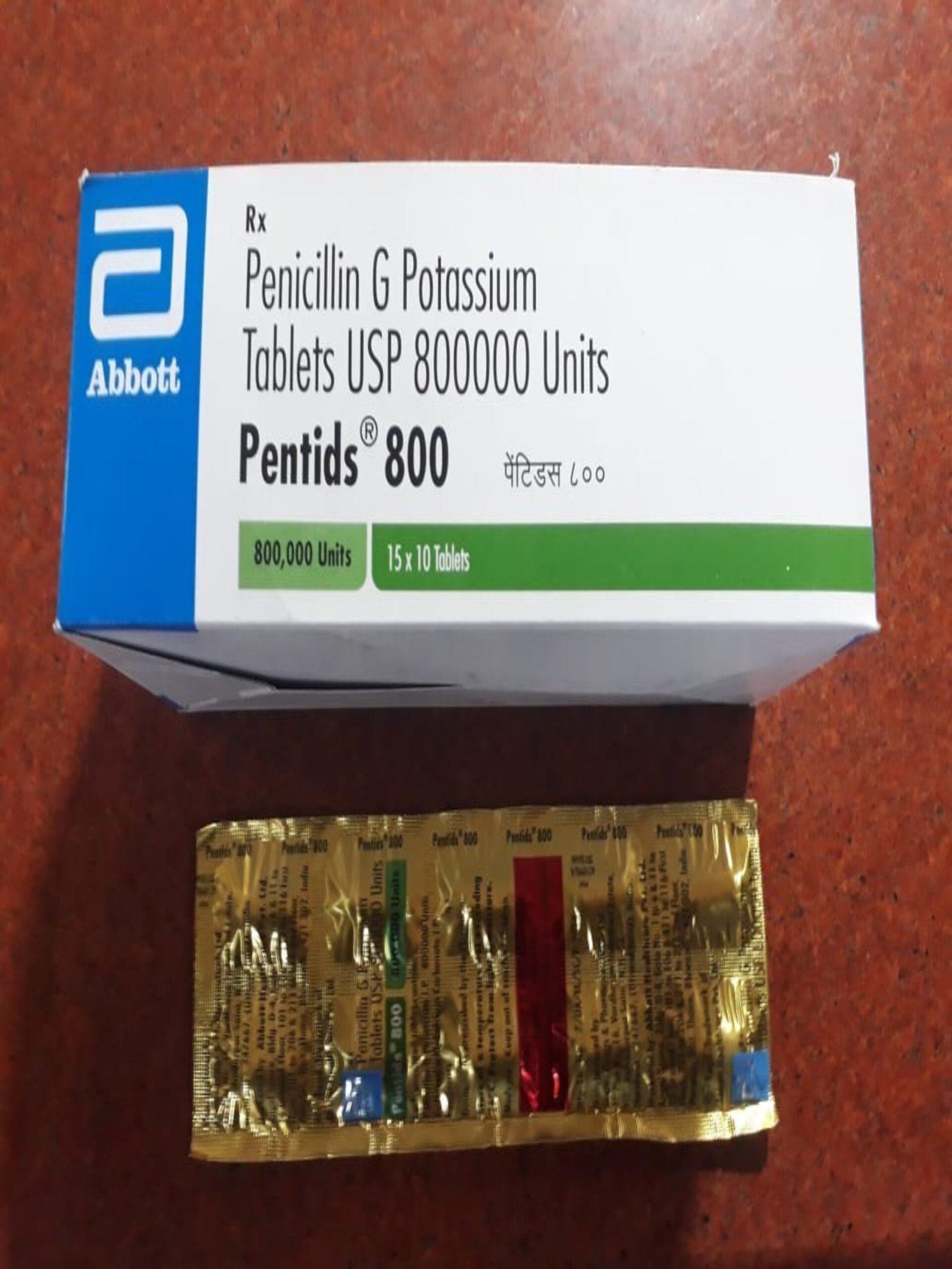
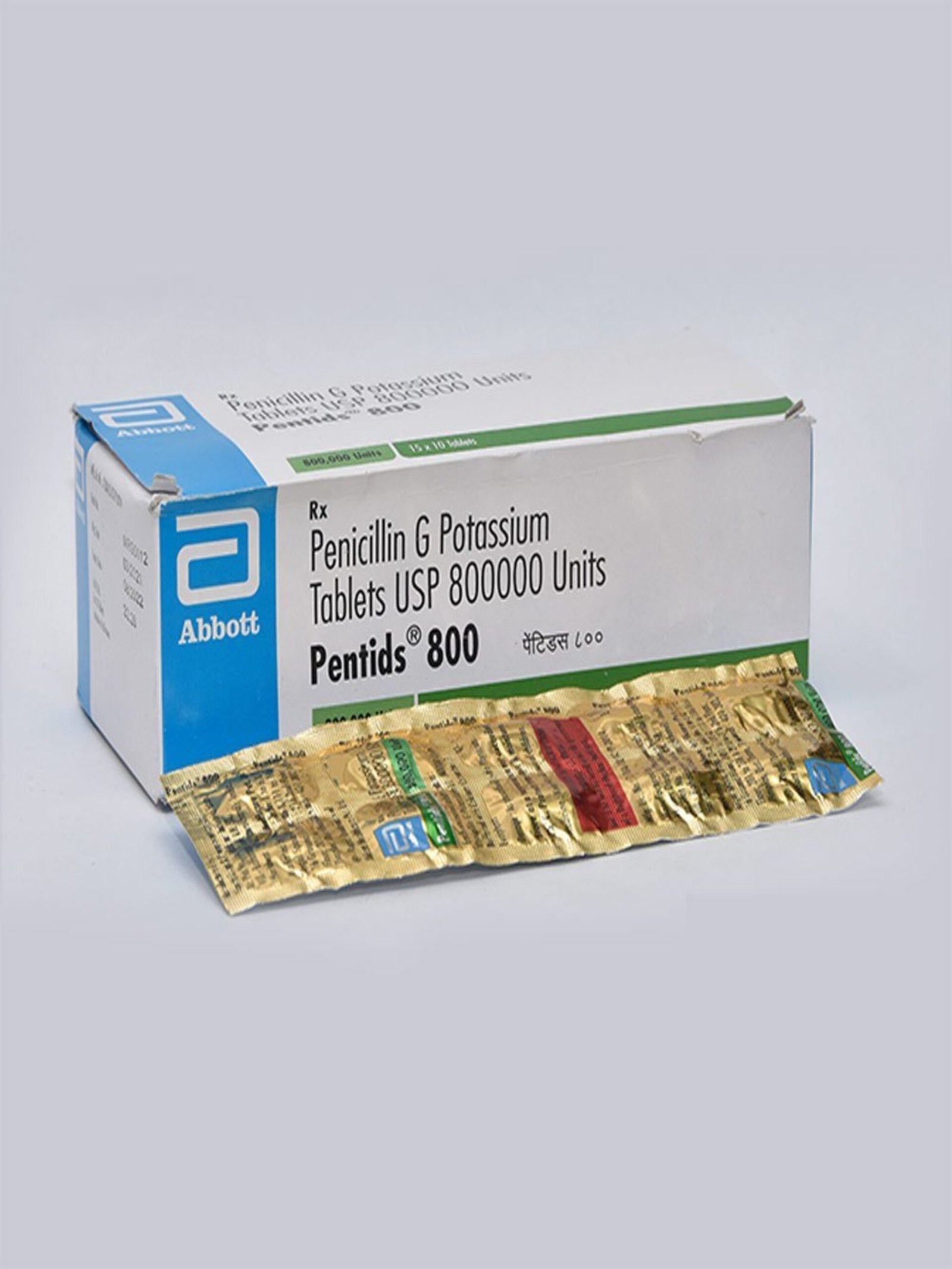
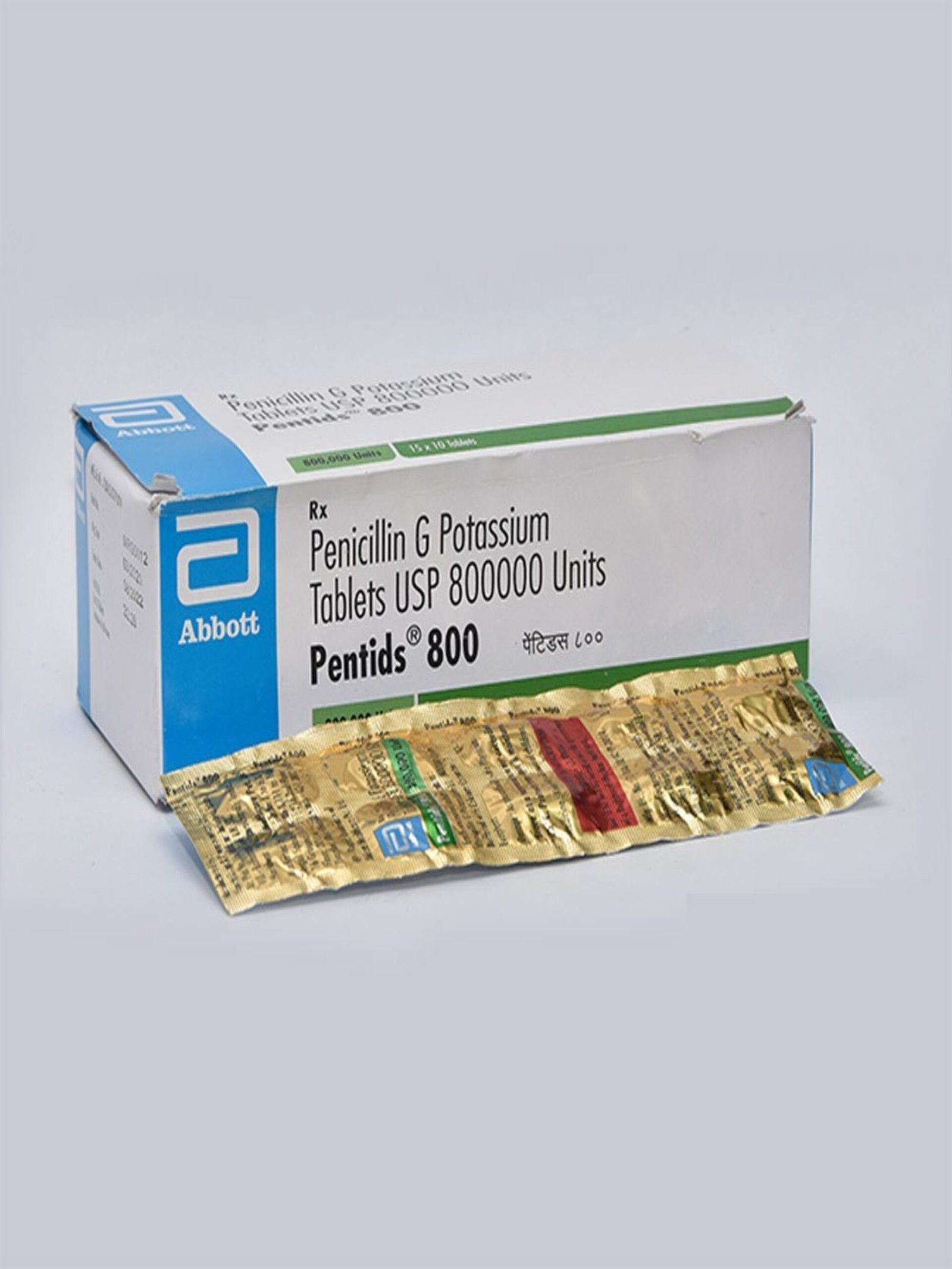
Penicillin G tablets are often searched online as a treatment for bacterial infections. While Penicillin G itself is most commonly used as an injectable antibiotic, many people use the term broadly when referring to oral penicillin medicines like Penicillin V.
This guide explains everything you need to know—from uses and benefits to dosage, side effects, and important precautions.
What is Penicillin G?
Penicillin G is a beta-lactam antibiotic that works by destroying the bacterial cell wall, effectively killing harmful bacteria in the body.
It belongs to the original penicillin group discovered by Alexander Fleming, which revolutionized modern medicine.
Important Note About Tablets
- Penicillin G → Usually given as an injection
- Penicillin V → Commonly available in tablet form
👉 However, many users still search for “Penicillin G tablets,” making it an important SEO keyword.
Uses of Penicillin (G / V)
Penicillin antibiotics are widely used to treat:
- Throat infections (strep throat)
- Respiratory infections (pneumonia)
- Skin and soft tissue infections
- Dental infections
- Sexually transmitted infections (like syphilis)
- Rheumatic fever prevention
How Does It Work?
Penicillin works by:
- Blocking bacterial cell wall synthesis
- Causing bacteria to rupture and die
👉 This makes it highly effective against gram-positive bacteria.
Dosage Guidelines
Dosage depends on:
- Type of infection
- Severity
- Patient age and weight
Typical oral dosing (Penicillin V equivalent):
- Adults: 250 mg to 500 mg every 6–8 hours
- Children: Based on body weight
⚠️ Always follow a doctor’s prescription—self-medication can lead to resistance.
Benefits of Penicillin Antibiotics
✔ Proven and time-tested
✔ Cost-effective
✔ Widely available worldwide
✔ Effective for many common infections
Side Effects
Most people tolerate penicillin well, but possible side effects include:
Common:
- Nausea
- Diarrhea
- Mild rash
Serious (Rare):
- Allergic reaction
- Breathing difficulty
- Anaphylaxis (medical emergency)
Who Should Avoid It?
- People with known penicillin allergy
- Patients with severe kidney disease (use with caution)
Drug Interactions
Penicillin may interact with:
- Other antibiotics
- Blood thinners
- Methotrexate
👉 Always inform your doctor about current medications.
Storage Instructions
- Store at room temperature
- Keep away from moisture and heat
- Keep out of reach of children
Website : Jyotilifecar