
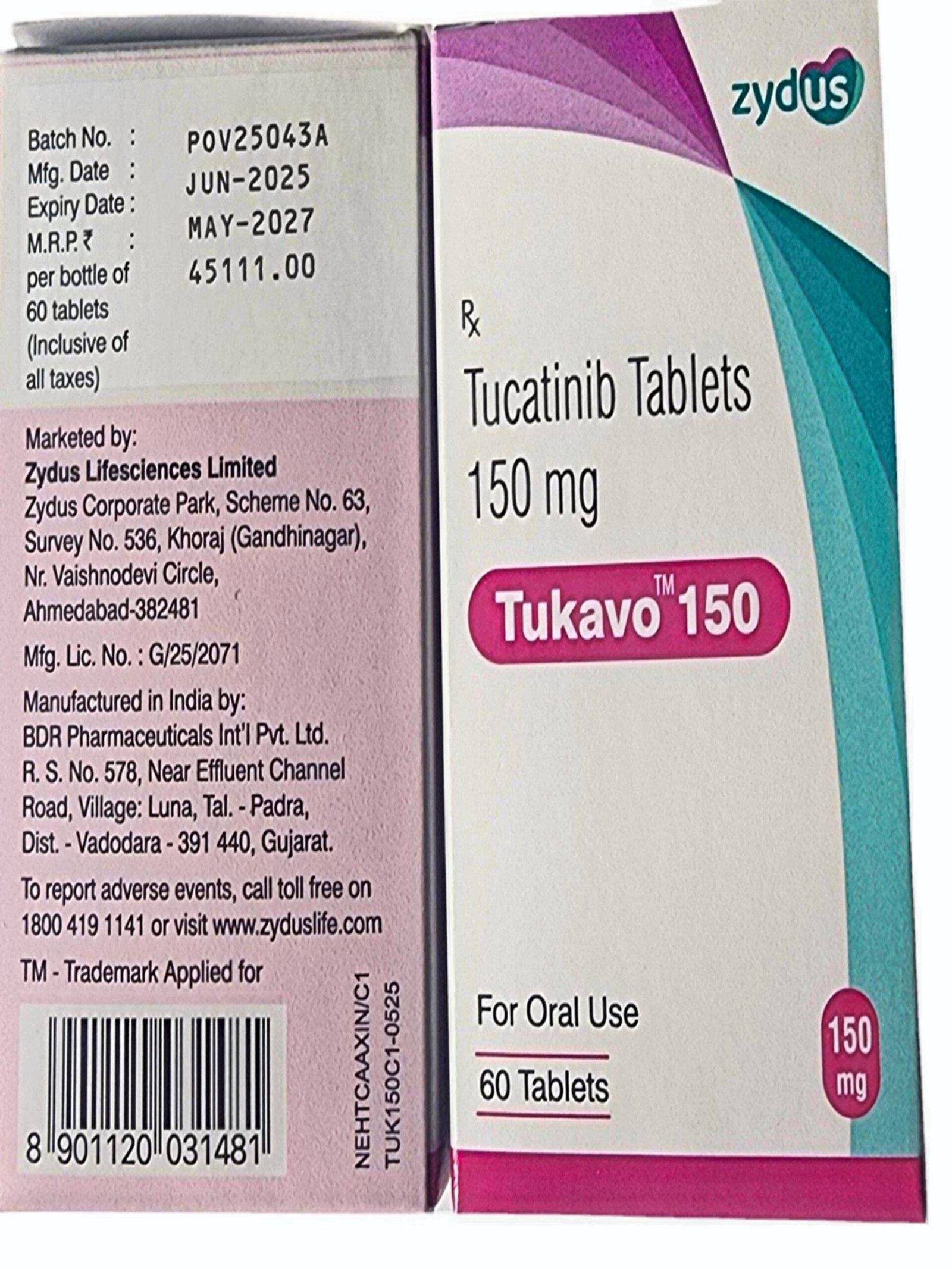
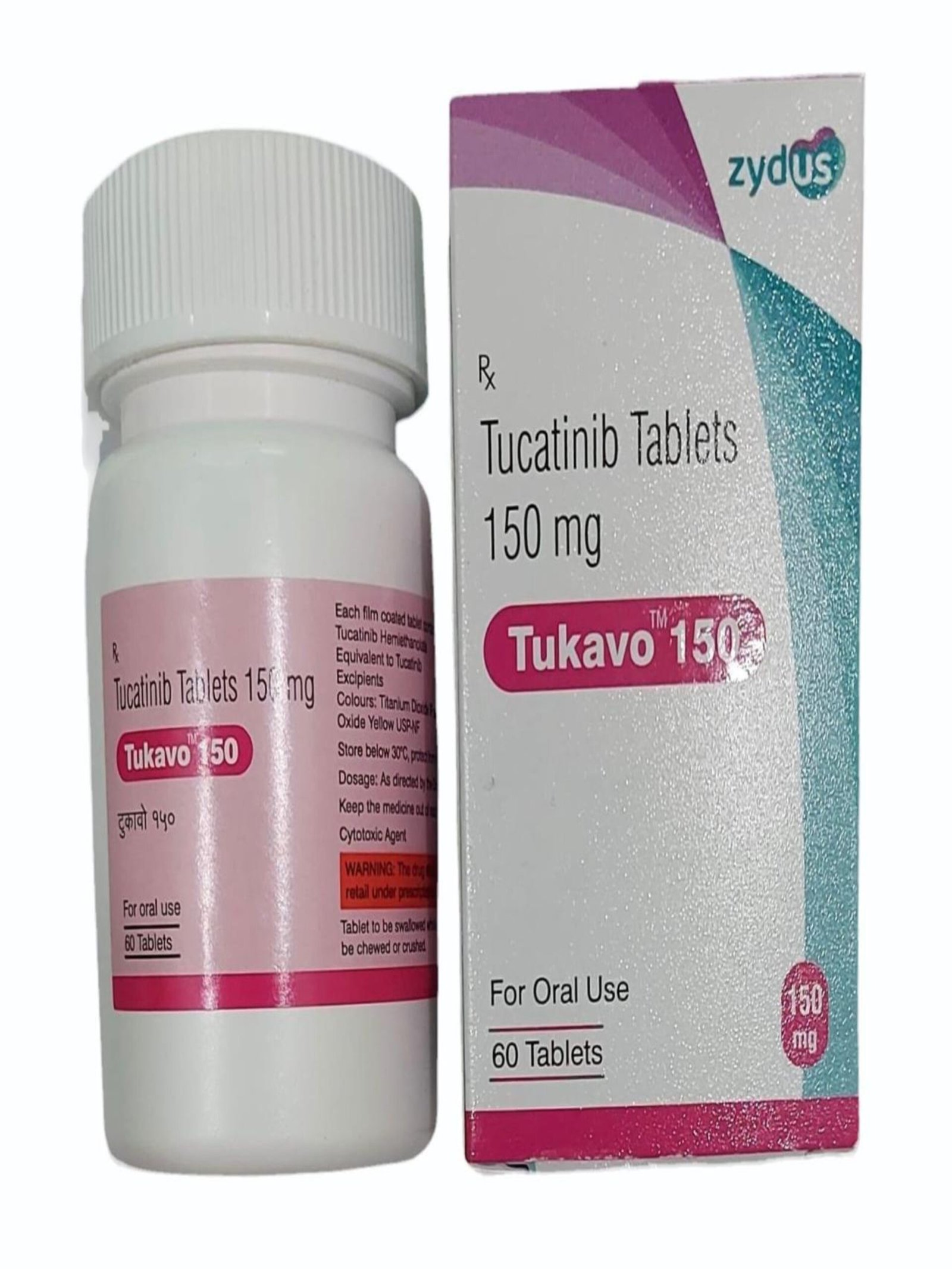
Tucatinib 150 mg Tablet : A Targeted Breakthrough in HER2-Positive Cancer Treatment
Introduction
Tucatinib 150 mg tablet has emerged as a significant advancement in the treatment of HER2-positive cancers, particularly metastatic breast cancer. As a highly selective tyrosine kinase inhibitor, tucatinib offers new hope to patients who have previously undergone multiple lines of therapy.
This blog explores everything you need to know about tucatinib—its uses, mechanism of action, benefits, dosage, and global availability.
What is Tucatinib 150 mg Tablet ?
Tucatinib is an oral anti-cancer medication specifically designed to target HER2 (human epidermal growth factor receptor 2), a protein that promotes the growth of cancer cells. It is commonly marketed under the brand name Tukysa.
It is primarily used in combination with other drugs like trastuzumab and capecitabine for enhanced treatment effectiveness.
Mechanism of Action
Tucatinib works by selectively inhibiting the HER2 tyrosine kinase. Unlike some other treatments, it has minimal activity against EGFR, which helps reduce unwanted side effects.
By blocking HER2 signaling pathways, tucatinib:
- Slows down tumor growth
- Prevents cancer cell proliferation
- Enhances the effectiveness of combination therapies
Indications and Uses
Tucatinib 150 mg tablet is mainly prescribed for:
- HER2-positive metastatic breast cancer
- Advanced or unresectable HER2-positive cancers
- Patients who have received prior anti-HER2 therapies
It is also being studied for use in colorectal cancer and other HER2-driven tumors.
Key Benefits
- Targeted Therapy: Specifically attacks HER2-positive cancer cells
- Improved Survival Rates: Proven to extend progression-free survival
- Brain Metastases Activity: Effective in patients with brain metastases
- Oral Administration: Convenient tablet form for outpatient treatment
Dosage and Administration
The standard dosage of tucatinib is:
- 150 mg tablets taken orally, usually twice daily
It is typically administered in combination with:
- Trastuzumab (intravenous)
- Capecitabine (oral chemotherapy)
⚠️ Always follow the prescribing oncologist’s guidance, as dosage may vary based on patient condition.
Side Effects
Like all cancer treatments, tucatinib may cause side effects. Common ones include:
- Diarrhea
- Fatigue
- Nausea and vomiting
- Liver enzyme elevation
- Decreased appetite
Serious side effects are rare but may include severe liver toxicity. Regular monitoring is recommended.
Website : Jyotilifecar