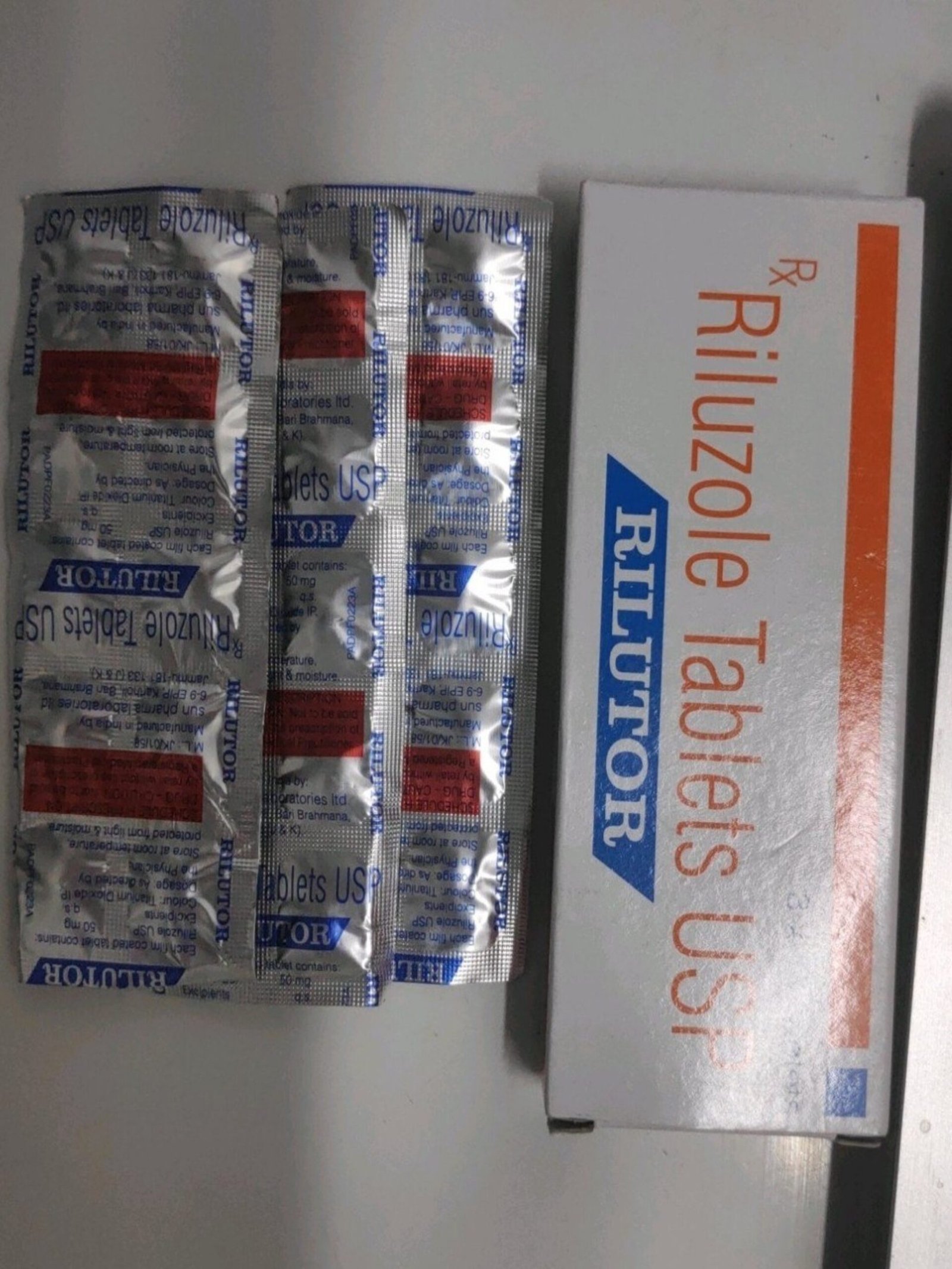
Riluzole Tablets: Uses, Dosage, Benefits, and Safety Information
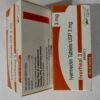
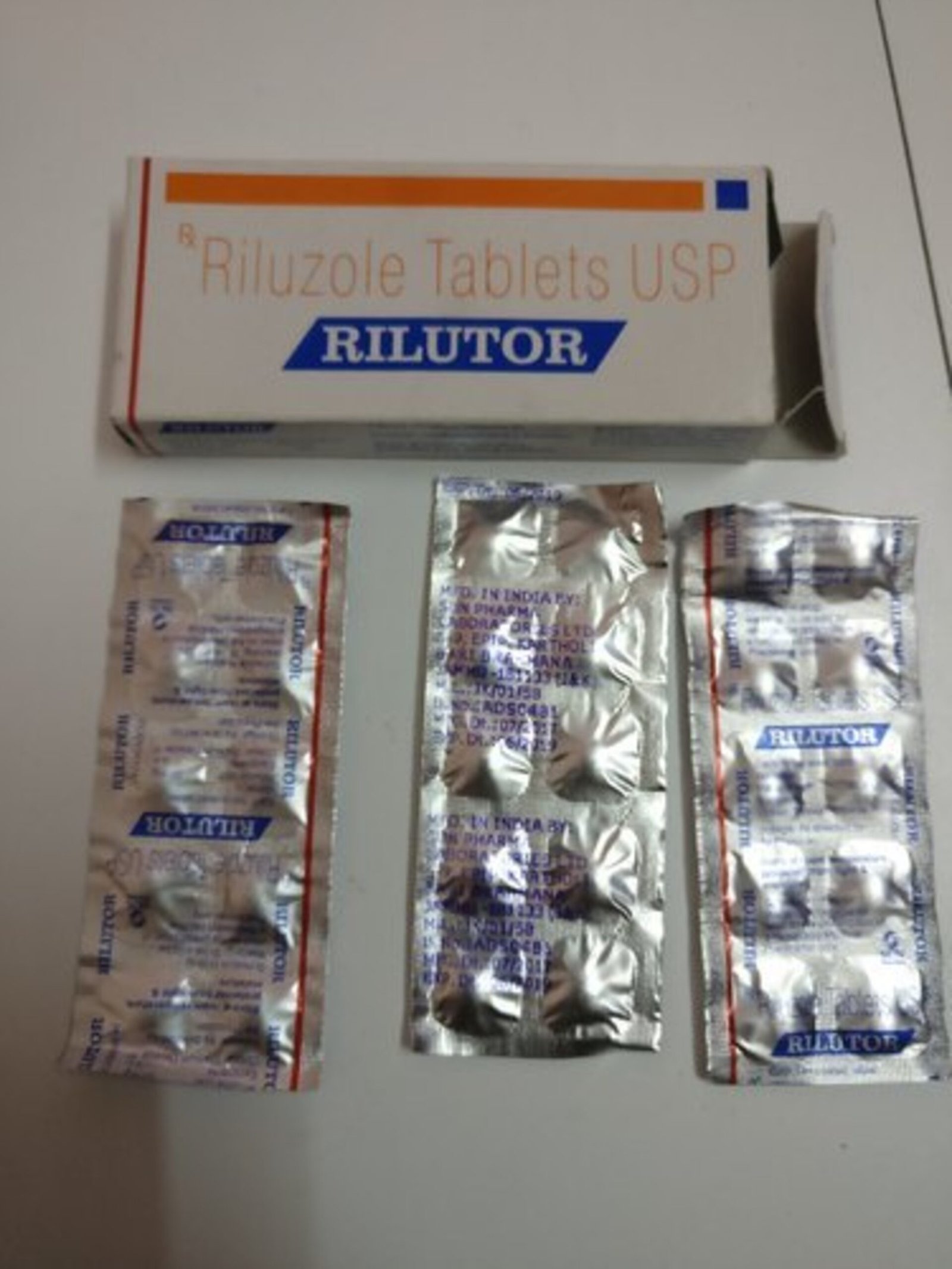
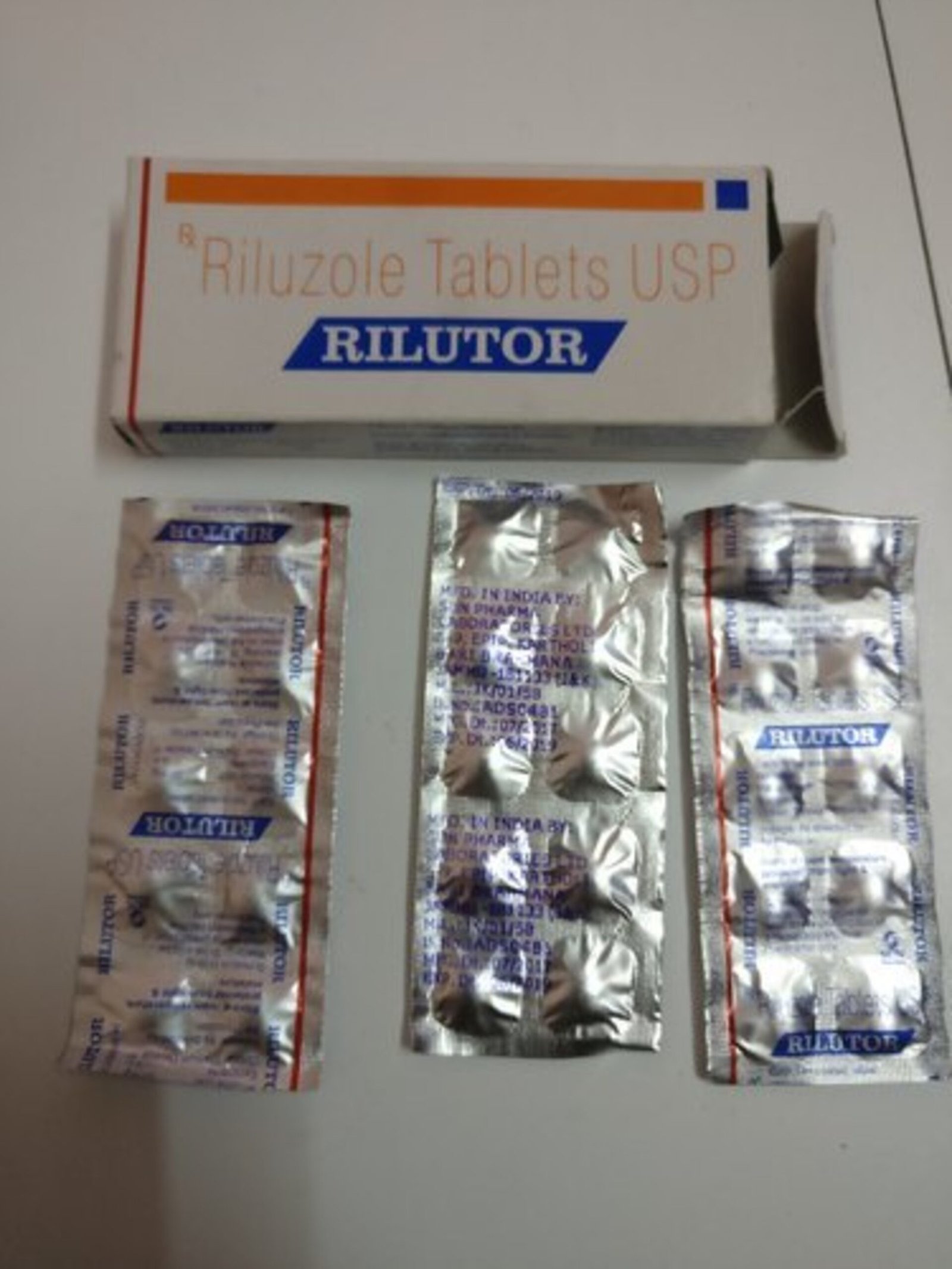
Riluzole tablets are a prescription medicine used in the management of amyotrophic lateral sclerosis (ALS). Riluzole belongs to a class of medicines that affect glutamate-related signaling in the nervous system. It is commonly prescribed as part of an overall treatment plan for people diagnosed with ALS.
Understanding how riluzole works, how it is taken, and what precautions are important can help patients and caregivers use the medicine safely under medical supervision.
What Are Riluzole Tablets?
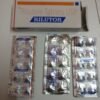
Riluzole is available as an oral medicine, including tablet formulations. It is prescribed primarily for adults with ALS and is intended to be used according to the directions provided by a healthcare professional.
The exact formulation, approved indications, and prescribing requirements can vary between countries. Patients should therefore follow the product information supplied with their prescription.
What Is Riluzole Used For?
Riluzole is used for the treatment of amyotrophic lateral sclerosis (ALS). ALS is a progressive neurological disease that affects motor neurons, the nerve cells responsible for controlling voluntary muscle movement.
Riluzole does not reverse existing nerve damage. However, clinical evidence has shown that it can provide a modest benefit in slowing disease progression in people with ALS.
Treatment decisions should be individualized by a neurologist or other qualified healthcare professional.
How Does Riluzole Work?
The exact mechanism of riluzole’s effects in ALS is not completely understood. One important action is its influence on glutamate signaling.
Glutamate is an excitatory neurotransmitter in the nervous system. Excessive glutamate activity may contribute to neuronal injury. Riluzole is thought to reduce certain aspects of glutamate-mediated excitatory signaling, which may help protect motor neurons.
How Should Riluzole Tablets Be Taken?
Riluzole should be taken exactly as prescribed by a healthcare professional.
For many adult patients, the commonly prescribed regimen is 50 mg twice daily, approximately 12 hours apart. However, the appropriate dose can depend on the individual patient’s medical circumstances and the specific product prescribed.
Patients should:
- Follow their doctor’s dosing instructions.
- Take doses at approximately the same times each day.
- Avoid taking more than the prescribed amount.
- Tell their healthcare professional about other medicines and supplements they use.
- Ask their doctor or pharmacist what to do if a dose is missed.
Patients should not change or stop riluzole treatment without discussing it with their healthcare professional.
Riluzole and Food
Food can affect the absorption of riluzole. Depending on the formulation, riluzole tablets are generally taken on an empty stomach, commonly at least one hour before or two hours after meals.
Always follow the instructions for the specific product prescribed to you, because directions can differ between formulations.
Possible Side Effects of Riluzole
Like all medicines, riluzole can cause side effects. Some commonly reported effects include:
- Nausea
- Weakness or fatigue
- Dizziness
- Abdominal discomfort
- Headache
- Elevated liver enzymes
Not everyone experiences side effects.
Riluzole can also cause potentially serious liver-related problems. Healthcare professionals may recommend blood tests to monitor liver function during treatment.
Seek medical advice promptly if symptoms such as unusual tiredness, loss of appetite, nausea, abdominal pain, dark urine, or yellowing of the skin or eyes occur.
Important Precautions
Before starting riluzole, patients should tell their healthcare professional if they have:
- Liver disease or abnormal liver-function tests
- Kidney problems
- A history of medication-related liver problems
- Allergies to riluzole or any of its ingredients
- Other medical conditions
Riluzole may interact with other medicines. Providing your doctor or pharmacist with a complete list of prescription medicines, over-the-counter products, and supplements can help reduce the risk of interactions.
Riluzole and Liver Monitoring
Because riluzole can affect liver function, monitoring may be required during treatment. Your healthcare professional may order liver-function blood tests before and during therapy.
Patients should attend recommended appointments and laboratory tests even if they feel well.
Who Should Avoid Riluzole?
Riluzole may not be appropriate for everyone. It should not be used by people with certain conditions or allergies, and additional precautions may be required in patients with liver or kidney problems.
Pregnant or breastfeeding patients should discuss riluzole use with their healthcare professional before starting treatment.
Frequently Asked Questions
Is riluzole a cure for ALS?
No. Riluzole is not a cure for ALS. It is used as part of the medical management of the disease and may help slow disease progression.
How long does riluzole take to work?
Riluzole is not expected to produce an immediate improvement in ALS symptoms. Its potential benefit is related to modifying the course of the disease over time. Your neurologist can explain what to expect from treatment.
Can riluzole be taken with other medicines?
It may be used alongside other medicines, but potential interactions need to be considered. Always tell your healthcare professional about all medicines and supplements you take.
Does riluzole require a prescription?
Riluzole is a prescription medicine in many countries. Availability and prescribing requirements vary by jurisdiction.
Should riluzole be stopped suddenly?
Do not stop riluzole without consulting your healthcare professional. If you experience concerning side effects, contact your doctor or pharmacist for advice.
Final Thoughts
Riluzole tablets are an established prescription treatment used in the management of ALS. Because the medicine can affect the liver and may interact with other medicines, appropriate medical supervision and monitoring are important.
Patients should use riluzole only according to their healthcare professional’s instructions and should consult their doctor or pharmacist with questions about dosage, side effects, interactions, or missed doses.
Medical disclaimer: This article is for general educational purposes and is not a substitute for professional medical advice, diagnosis, or treatment. Product information and approved uses may vary by country. Always consult a qualified healthcare professional and the official product information before using riluzole.
Website : Jyotilifecar